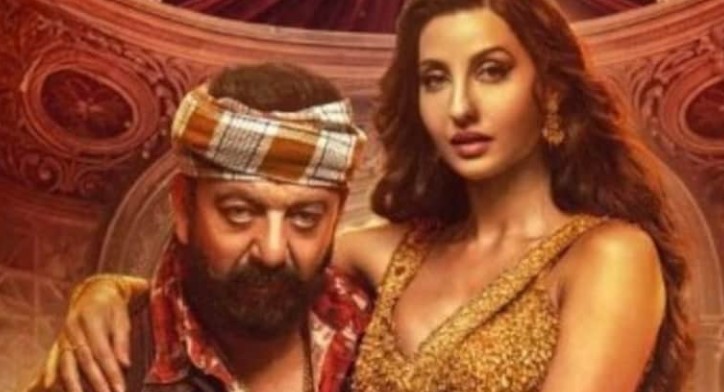
The Indian music industry is currently embroiled in a heated controversy as a high-profile collaboration between Bollywood sensation Nora Fatehi and veteran actor Sanjay Dutt has been abruptly pulled from all digital platforms. The song, which was released with significant fanfare, faced an immediate and overwhelming wave of criticism from audiences and social media activists who labeled the lyrics as “vulgar,” “regressive,” and “offensive to public decency.” Within hours of its debut, hashtags calling for a boycott began trending across various social media platforms, with thousands of users expressing their disappointment at the “crass” choice of words used in the track. Critics argued that the song relied heavily on double entendres and objectifying language, which many felt was a step backward for an industry already under scrutiny for its portrayal of women.
As the outrage intensified, several cultural organizations and conservative groups filed formal complaints with the Ministry of Information and Broadcasting, demanding immediate action against the producers. The controversy put the spotlight on the growing divide between commercial “item numbers” and the evolving sensibilities of a modern audience that is increasingly vocal about the content it consumes. While high-energy dance tracks featuring stars like Fatehi are known for their glamour, the consensus on this particular track was that it crossed a line into obscenity. Sanjay Dutt, who has a massive and loyal following, also faced backlash for his involvement in a project that many deemed beneath his stature. The swiftness of the public reaction caught the production house off guard, leading to an emergency meeting and the subsequent decision to delete the video from YouTube and music streaming services.
In an official statement, the production house acknowledged the “concerns raised by the public” and stated that while their intention was never to hurt any sentiments or promote vulgarity, they have decided to withdraw the song out of respect for the audience’s feedback. This incident serves as a significant reminder of the power of social media in policing digital content and holding filmmakers and artists accountable for the messages they disseminate. Industry insiders suggest that this move might lead to stricter internal reviews and a more cautious approach toward lyric-writing in the future. For now, the track remains inaccessible to the public, marking a rare instance where a big-budget Bollywood production was completely scrapped due to a grassroots-level protest against its lyrical content.